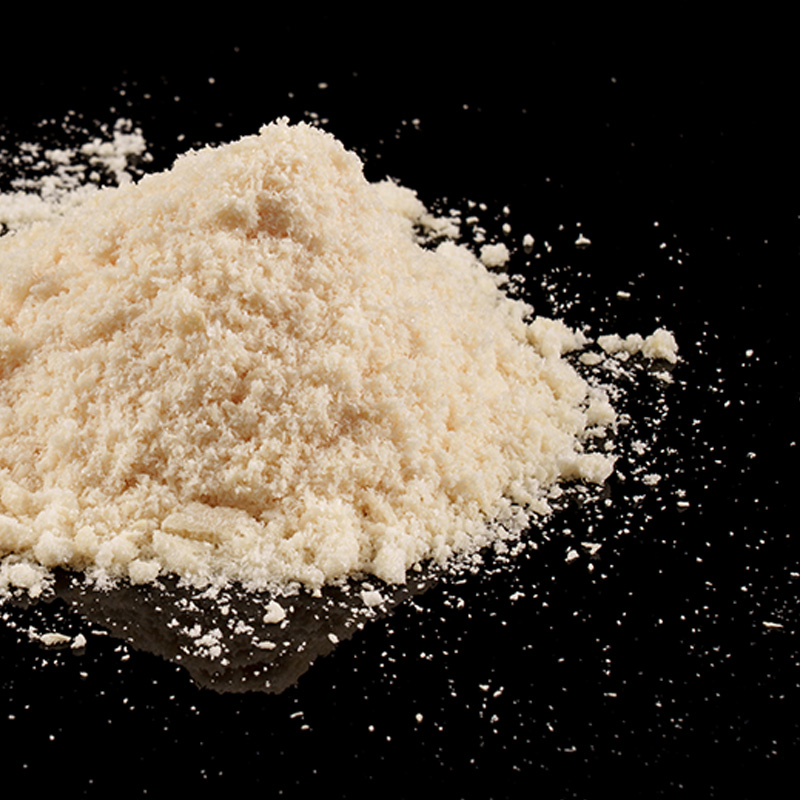
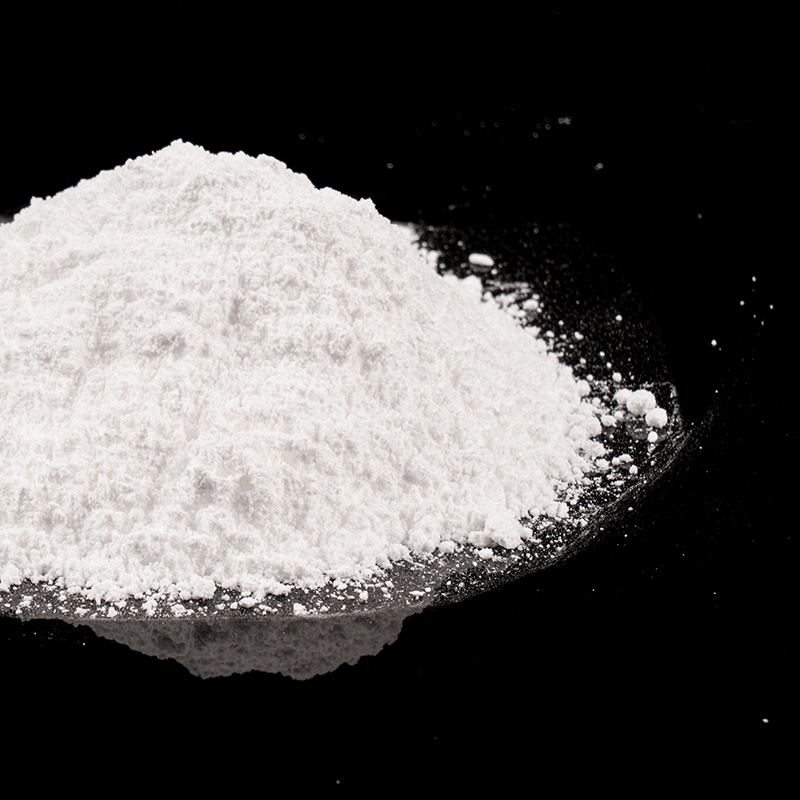
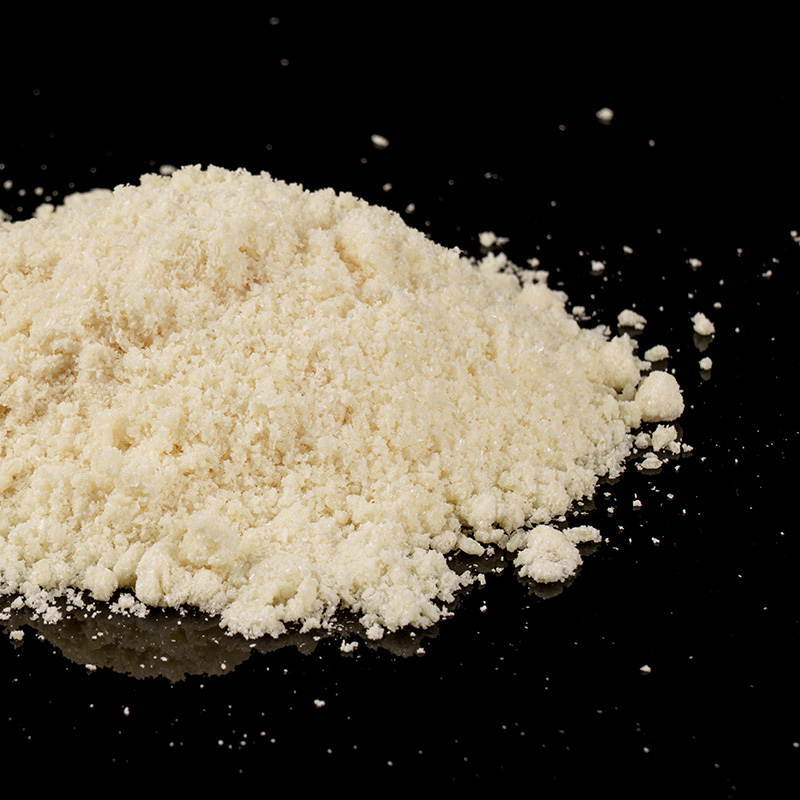
The key difference between 2, 5- Furandicarboxylic acid (FDCA) and adipic acid in polymer design is that FDCA contributes to a more rigid, aromatic-like backbone that enhances strength and barrier properties, while adipic acid introduces flexible aliphatic segments that significantly improve elasticity and impact toughness. In practical terms, FDCA increases stiffness and thermal resistance, whereas adipic acid is more effective at increasing chain mobility and ductility. When evaluating 2 5 furan dicarboxylic acid and adipic acid in polymer engineering, the choice depends on whether the target is structural rigidity or flexible toughness.
In advanced copolymer systems such as those involving 2 5 furandicarboxylic acid fdca, toughness can still be improved, but typically through molecular engineering strategies rather than intrinsic chain flexibility.
Molecular Structure and Its Impact on Flexibility
The structural difference between FDCA and adipic acid is fundamental to their performance in polymers. FDCA is an aromatic heterocyclic diacid containing a furan ring, which introduces rigidity due to its planar and conjugated structure. In contrast, adipic acid is a straight-chain aliphatic diacid, which allows for greater rotational freedom along the polymer backbone.
Polymers derived from 2 5 furan dicarboxylic acid typically exhibit higher glass transition temperatures (Tg), often increasing by 10–30°C compared to adipic acid-based systems, depending on comonomer composition. This increase in Tg directly correlates with reduced chain mobility and lower flexibility.
On the other hand, adipic acid introduces flexible methylene segments (-CH2-) that act as internal plasticizers, lowering Tg and enabling elongation at break values that can exceed 200–400% in elastomeric polyesters.
Flexibility Performance in Polymer Systems
Flexibility in polymers is primarily governed by chain mobility and intermolecular packing density. FDCA-based polymers tend to pack more efficiently due to their planar structure, which reduces free volume. This leads to higher modulus but lower flexibility.
In contrast, adipic acid disrupts crystallinity and increases free volume, making the polymer matrix more compliant. For example, polyester elastomers containing adipic acid can show a flexural modulus reduction of 30–60% compared to FDCA-based analogs.
Practical Flexibility Comparison
- FDCA-based polymers: High stiffness, moderate flexibility, limited elongation.
- Adipic acid-based polymers: Low stiffness, high elasticity, improved impact absorption.
- Copolymer systems using 2 5 furandicarboxylic acid fdca: Tunable flexibility depending on co-monomer ratio.
Toughness and Impact Resistance Differences
Toughness is defined as the ability of a polymer to absorb energy before fracture. FDCA-based polymers generally show higher tensile strength but lower impact toughness due to restricted chain movement. Adipic acid improves toughness by allowing energy dissipation through segmental motion.
Experimental comparisons show that incorporating adipic acid can increase impact resistance by up to 2–3 times in flexible polyester systems compared to rigid FDCA-only formulations.
However, FDCA can still contribute to toughness when used in controlled copolymerization, where rigid segments act as reinforcing domains while flexible segments absorb stress.
Comparative Property Table
Comparison of FDCA and adipic acid in polymer performance characteristics
| Property |
2, 5- Furandicarboxylic acid (FDCA) |
Adipic Acid |
| Backbone Structure |
Rigid aromatic furan ring |
Flexible aliphatic chain |
| Flexibility |
Low to moderate |
High |
| Toughness |
Moderate (improvable via copolymerization) |
High intrinsic toughness |
| Thermal Stability |
High |
Moderate |
Application-Oriented Implications
The selection between 2 5 furan dicarboxylic acid and adipic acid depends heavily on the end-use application. FDCA is preferred in high-barrier packaging, engineering plastics, and applications requiring dimensional stability. Its rigid structure ensures long-term mechanical integrity but limits deformation.
Adipic acid is widely used in applications requiring flexibility, such as soft packaging, elastomers, and impact-resistant materials. Its ability to improve toughness makes it suitable for applications where energy absorption is critical.
In hybrid systems involving 2 5 furandicarboxylic acid fdca, engineers often balance rigidity and toughness by adjusting monomer ratios, achieving a compromise between stiffness and ductility.